What to check on the foundation in the 48 hours after a Huntsville storm
Madison County has been through enough severe weather in the last fifteen years that most people here know the drill for the roof and the trees. The foundation gets forgotten, because its damage shows up days later and looks like something that was always there. This is a checklist for the two days after, written around the storms this county actually had.
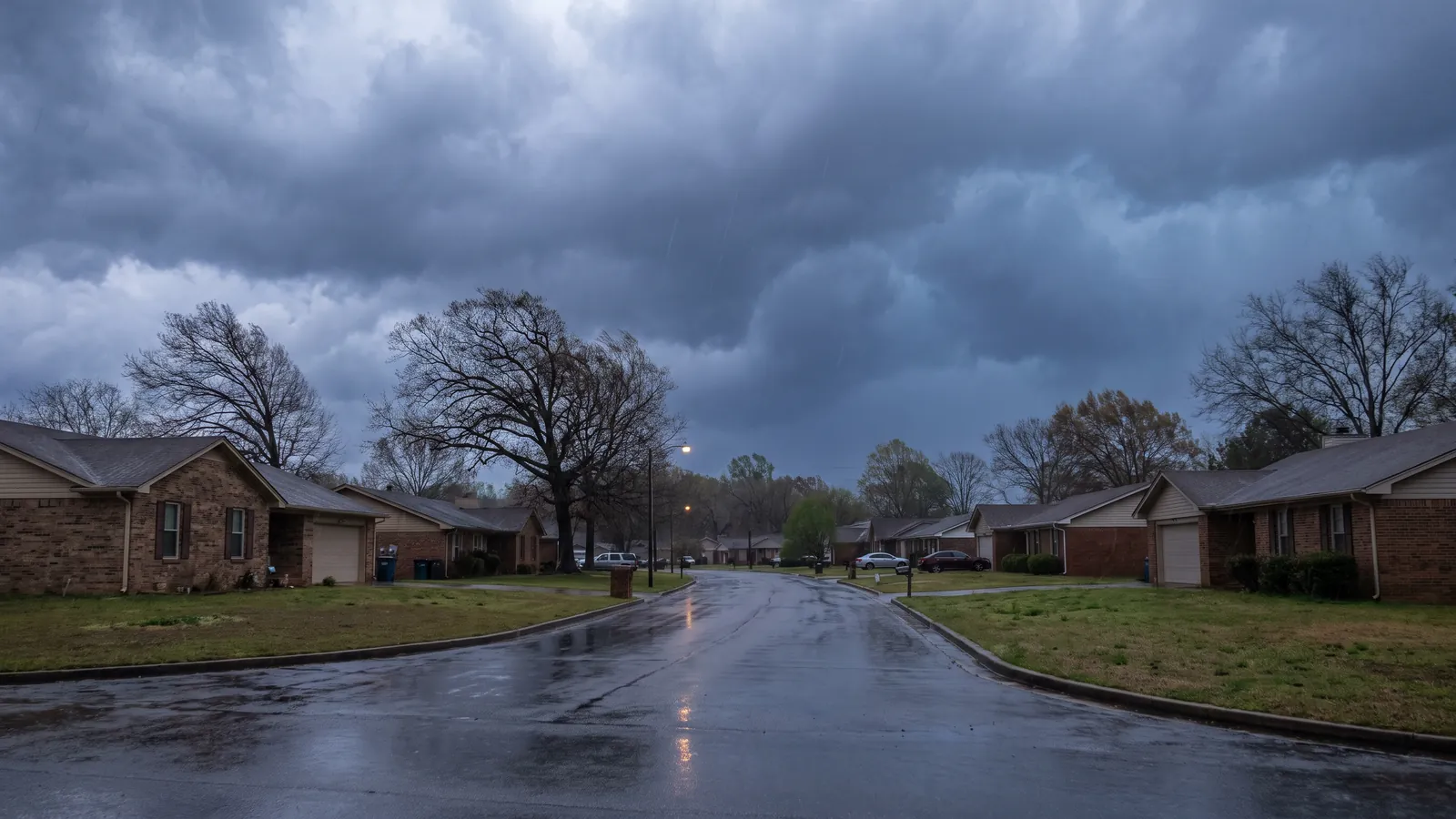
The reference storms
- April 27, 2011The Super Outbreak. EF-5 and EF-4 tornadoes crossed northern Madison County and neighboring counties, and the days of rain before and after saturated the ground. Foundation damage reported afterward was often found a week later: racked walls, cracked slabs where the structure above had twisted, and settled corners where the yard had been scoured.
- April 28, 2014A second late-April outbreak with tornadoes in the region and heavy rain, on ground that was already at its spring saturation. The pattern again: wind damage above, water damage below, and cracks that opened in the fortnight after.
- March 25, 2021Tornadoes across the northern county including the Hazel Green area, with the same combination of wind loading on structures and heavy rainfall on clay.
Three things these had in common: they came in spring, when the perched water table along the ridges was already full; they brought enough rain to move soil; and the structural damage was mixed with water damage in a way that took weeks to sort out. That is why the checklist below has both halves.
Day one: outside, when it is safe
- Look at the ground first. Erosion channels where water ran along the house, new low spots against the wall, sediment deposited at a corner, mulch and soil washed away from the foundation. Water that moved soil has changed what the footing sits on.
- Walk every corner. Photograph each one with a coin or a tape in the frame and the date. Compare to any earlier photos. A new stair-step crack in the brick after a storm is the footing having moved.
- Look along the walls for a lean. Sight down a long brick wall from the corner. A wall that was straight and now bows, or a chimney that has separated from the house, is a wind-loading sign and goes to the top of the list.
- Check the slab edge and the driveway. A new gap between the house slab and the driveway apron, or the apron dropped relative to the slab, means the soil under the apron washed out.
- Trees. A large tree leaning or uprooted near the house has pulled on the roots that run under the footing. Note it for the technician.
Day one: inside
- Basement or crawl space. Water line on the wall, standing water, new cracks, a wall that has bowed or shifted on the sill. Turn off power to anything below a water line before stepping in. In a crawl space, look at the piers: a pier knocked off its footing by moving water is a thing that happens.
- Doors and windows. Open and close every exterior door. A door that latched Monday and does not latch Wednesday is a frame that racked.
- Walls and ceilings. New diagonal cracks from the corners of openings; a crack at the top of a wall where it meets the ceiling, which on a one-story house can be the roof structure having lifted and dropped; nail pops in rows.
- Floors. A marble, a level, or your feet: anything that slopes that did not before.
Day two: the second look
Go around again with the same camera. Cracks that opened during the storm are done moving; cracks caused by soil that is still draining and settling will be wider on day two. That difference tells the technician whether the problem was the wind or the water, and it changes the repair.
What is an emergency
Call the same day for: a basement wall that has moved or bowed; a wall or chimney leaning away from the house; a crawl-space pier off its footing; water still entering; a floor that dropped under load. Keep people out of the room and the one above it. Do not try to brace a moving wall with lumber.
What can wait a week
A new hairline crack that has not changed by day two. A door that is slightly tight. A damp patch that dried. Photograph them, date them, and book the inspection for the following week; after a county-wide storm the schedule fills with the emergencies first, and a post-storm check is still free.
Insurance, briefly
Most Alabama homeowner policies exclude earth movement and groundwater, but damage from a windstorm, a fallen tree or a tornado is a different clause. If the storm is the cause, your dated photographs are the claim's backbone. Call your agent before repair starts, and ask the crew for an itemized findings sheet and their own photographs; adjusters respond to both.
What people ask about this
The storm was a month ago and I just noticed a crack. Is it related?
Possibly. Soil that was saturated or scoured by a storm goes on settling for weeks, and the crack appears when the footing finishes moving. If you have a photo from before the storm, compare; if not, book the inspection and say when the storm was.
Can a tornado damage a foundation without damaging the roof?
Rarely the foundation directly, but the wind can rack the frame on top of the foundation and the rain and debris flow can wash soil out from under a footing. Both show as cracks and gaps a few days later.
Should I pump out my basement right away?
If the water is from groundwater and the ground outside is still saturated, pumping a basement dry fast can let the outside pressure push the walls in or the floor up. Pump slowly, a foot or two a day, unless the water is from a burst pipe.
Who checks the foundation after a storm, me or you?
Both. The checklist above is yours, and the photographs it produces are worth having regardless. The free inspection is ours, with the laser survey that turns a sloped floor into a number.
Does hail do anything to a foundation?
Not directly. A hailstorm's rain can overwhelm gutters and dump water at the foundation, and a roof that leaks after hail can wet a wall for weeks. Hail damage to the foundation is almost always water damage.
Keep reading: Foundation inspection · Signs a house is moving · Paying for repairs and insurance